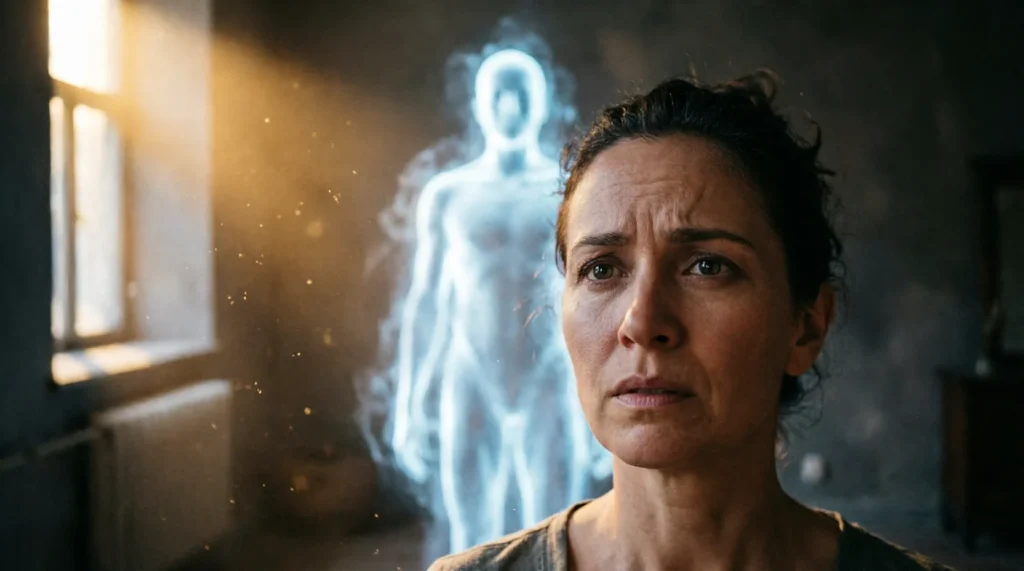
🌙 Dream Meaning of biblical meaning of ghost in a dream
Dreaming about a ghost can feel unsettling, especially when you’re searching for the biblical meaning of ghost in a dream. You wake up with questions, maybe even a lingering sense of fear or curiosity. But here’s the truth most people miss—this dream is rarely about literal spirits. It’s about what’s unresolved within you.
In biblical symbolism, ghosts or spirits often represent unfinished business, spiritual awareness, or a message tied to your inner life. These dreams are among the most commonly searched online, especially during moments when people feel lost, disconnected, or emotionally burdened.
Vivid spiritual dreams frequently appear alongside angel number symbolism — the universe speaking through multiple channels to deliver its message.
When you dream of a ghost, your mind may be highlighting something you haven’t fully processed—grief, guilt, or even a memory you keep pushing away. Biblically, it can also point to a need for spiritual clarity or reconnection with faith.
This isn’t random. Your dream is trying to get your attention.
💖 Emotional Interpretation
When you experience the biblical meaning of ghost in a dream, the emotions tend to hit first—fear, confusion, sadness, or even longing. These feelings matter more than the ghost itself.
You might be carrying something unresolved. Maybe it’s a past relationship, a regret, or a part of yourself you’ve ignored. The ghost becomes a symbol of what refuses to stay buried. It’s your subconscious saying, “You still need to face this.”
If the dream felt frightening, you may be avoiding something uncomfortable in your waking life. If it felt peaceful or familiar, it could reflect longing—for connection, closure, or reassurance.
You need to ask yourself: what am I not dealing with?
These dreams don’t come to scare you. They come to push you toward emotional honesty. You’re being invited to sit with what you’ve been running from, instead of distracting yourself from it.
And if you keep ignoring it, the dream will likely return—stronger, clearer, harder to dismiss.
Remember, these dreams rarely predict real events.
🌟 Spiritual Symbolism
From a spiritual lens, the biblical meaning of ghost in a dream often points to a deeper awakening. It’s not about fear—it’s about awareness.
In biblical contexts, spirits are associated with unseen truths, divine messages, or the presence of something beyond the physical. Your dream may be urging you to pay attention to your intuition and seek clarity in your spiritual life.
This could be a moment of spiritual awakening, where you’re being called to let go of old patterns, release limiting beliefs, and trust the process of transformation.
Different traditions echo this idea. In Christianity, spirits can symbolize discernment between truth and deception. In other traditions, such as indigenous beliefs, they may represent ancestral guidance.
Either way, the message is consistent: slow down, listen inward, and trust your intuition. You’re being guided toward clarity—even if it feels uncomfortable right now.
🧠 Psychological Meaning
Let’s strip away the mysticism for a second. From a psychological perspective, the biblical meaning of ghost in a dream is rooted in your subconscious processing.
Dream researchers and Jungian psychology suggest that ghosts represent parts of yourself you’ve repressed or ignored. These could be past experiences, emotions, or even identities you’ve outgrown but never fully released.
Your brain doesn’t forget. It stores, processes, and replays.
If you’re under stress, dealing with identity changes, or navigating emotional conflict, your mind may use the image of a ghost to symbolize something “unfinished.”
Sleep scientists also note that emotionally intense dreams often occur when your mind is trying to integrate unresolved experiences.
So no—you’re not being haunted.
You’re processing.
And that’s a healthy, natural part of emotional growth.
👍 Positive Signs & Cautionary Notes
It may surprise you, but this dream can be a positive sign. It often means you’re becoming more aware of your inner world and ready to confront what you’ve been avoiding.
That said, there’s a caution here. If you keep dismissing what the dream is showing you, you may stay stuck in the same emotional patterns.
The dream isn’t the problem—your resistance is.
Face it, and you grow. Ignore it, and it repeats.
It’s an invitation to reflect, release, and nurture yourself.
📖 Real-Life Examples & Micro-Stories
Sarah once dreamed of a silent ghost standing in her childhood home. Instead of brushing it off, she reflected on it and realized she had unresolved feelings toward her family. She finally opened up—and felt lighter.
Amir had recurring dreams of being chased by a ghost. After reading discussions on online forums and Reddit, he recognized it symbolized his fear of failure. He took action, faced a major decision, and moved forward.
Many people in dream communities share similar experiences—different stories, same pattern: avoidance turning into awareness.
Your dream is not unique—but your response to it is.
Let your dream be a gentle teacher.
🕊️ Spiritual and Emotional Significance
The biblical meaning of ghost in a dream carries a deeper invitation than most people realize. It’s not just about what you saw—it’s about who you are becoming.
This dream can signal a sacred opportunity for emotional healing. You may be holding onto past pain, guilt, or even outdated beliefs that no longer serve you. The ghost represents what needs to be acknowledged before it can be released.
Spiritually, this can also reflect guidance from your higher self—or what some traditions might call spirit guides or ancestral wisdom. You’re not being haunted; you’re being nudged.
Biblically, there are moments where spiritual encounters symbolize testing, revelation, or the need for discernment. This dream may be asking you to reconnect with your faith and seek truth with clarity.
You’re in a process of spiritual rebirth. That means discomfort is part of it.
But so is transformation.
When you stop resisting and start listening, the fear fades—and understanding takes its place.
Growth, release, and renewal — this is the heart of your dream’s message.
🔍 Common Scenarios and Their Meanings
Dreaming of a ghost chasing you: This often means you are avoiding a difficult truth or emotional confrontation in your waking life.
Dreaming of talking to a ghost: This often means your subconscious is trying to process unresolved communication or closure.
Dreaming of a ghost of someone you know: This often means lingering emotions or unfinished business connected to that person.
Dreaming of a peaceful ghost presence: This often means acceptance, healing, or spiritual reassurance is beginning to take place. No matter the scenario, your dream is a gateway into self-discovery.
✂️ More biblical meaning of ghost in a dream Scenarios
A Ghost Standing Beside You
If a ghost quietly stands beside you without speaking, it may reflect emotions or memories that have stayed close to your heart. The biblical meaning of ghost in a dream may encourage you to bring hidden fears into God’s light instead of carrying them alone.
Following a Ghost Through Darkness
Dreaming of following a ghost into a dark place can symbolize uncertainty about a decision or direction in life. This dream gently reminds you to seek wisdom and discernment before following influences that may not lead to peace.
A Ghost Protecting Your Family
Seeing a ghost appear near your family without causing harm may reflect your deep desire to keep loved ones safe. Rather than predicting future events, the dream often points to your caring nature and spiritual concerns for those closest to you.
A Ghost Asking For Help
If a ghost asks for help in your dream, it may represent unfinished emotions or unresolved memories seeking your attention. The biblical meaning of ghost in a dream can encourage reflection on forgiveness, healing, and letting go of what weighs on your spirit.
Hiding From A Ghost
Dreaming that you hide from a ghost often mirrors avoiding difficult emotions or conversations in waking life. Although fear feels real in the dream, it may also reveal your growing desire to face challenges with courage.
A Ghost Inside A Church
Seeing a ghost inside a church can feel confusing because it blends fear with a place of worship. This dream may invite you to think carefully about your spiritual beliefs and the importance of seeking truth over confusion.
A Ghost Becoming Human Again
When a ghost slowly becomes human, the dream may symbolize hope, restoration, or seeing someone in a new light. It can also reflect emotional healing as old fears begin to lose their hold on you.
Feeling Peace Around A Ghost
Not every ghost dream is filled with panic. If you felt calm or peaceful, the dream may show that you are moving toward acceptance of past experiences while continuing your spiritual journey with confidence.
A Ghost Disappearing After Prayer
If the ghost vanishes after you pray, the dream may reflect your trust in God’s presence during difficult moments. It can symbolize growing faith, inner strength, and the comfort that comes from turning toward hope.
A Child Afraid Of A Ghost
Dreaming of a frightened child and a ghost may highlight your protective instincts or concern for emotional innocence. The dream encourages compassion, reminding you to care for both your own inner peace and the well-being of those you love.
🌿 What Does Your biblical meaning of ghost in a dream Reveal About You?
The biblical meaning of ghost in a dream can become a gentle mirror, reflecting what is happening in your heart more than predicting what lies ahead. As you remember your dream, notice how you felt. Did the ghost leave you with panic, quiet curiosity, or unexpected relief? Those emotions often reveal where you may be carrying fear, searching for comfort, or finding the courage to grow through a difficult season.
It also helps to consider who held the power during the dream. Were you able to stand calmly, pray, or walk away, or did the ghost seem to control every moment? Your answer may reflect how much confidence you currently feel in handling life’s challenges and spiritual questions.
Your personal beliefs can also shape the meaning you take from the experience. If a biblical perspective speaks to you most, you may see the dream as an invitation to seek discernment and trust in God. An Islamic or Hindu understanding may highlight different spiritual themes, while a psychological view may focus on emotions, memories, or unresolved experiences. Which perspective helps you understand the dream with the greatest sense of peace and clarity?
Whatever your dream revealed, let it encourage you to move forward with wisdom, hope, and a steady heart.
📝 Lessons & Reflections
Your subconscious gently reminds you that what you avoid does not disappear—it waits. These dreams are not here to scare you, but to guide you back to yourself. When you face what lingers in the shadows, you reclaim your strength. Trust what you feel, even if it’s uncomfortable. Your heart knows the way.
CONCLUSION
The biblical meaning of ghost in a dream is not about literal spirits—it’s about transformation, awareness, and emotional truth. You’re being called to confront, release, and grow beyond what no longer serves you.
May you find the courage to face what you’ve been avoiding. May you discover peace in the clarity that follows.
Frequently Asked Questions
What does dreaming about a ghost symbolize in a biblical context?▼
In a biblical context, dreaming about a ghost often symbolizes unfinished business or unresolved emotions within you. It can reflect a need for spiritual clarity, urging you to confront feelings like grief or guilt that you may have been avoiding.
How should I interpret the emotions I feel during a ghost dream?▼
The emotions experienced during a ghost dream—such as fear, confusion, or sadness—are significant and often indicate unresolved issues in your waking life. These feelings suggest that your subconscious is prompting you to face certain aspects of yourself that you might be ignoring.
Can a dream about a ghost indicate a spiritual awakening?▼
Yes, dreaming about a ghost can signal a deeper spiritual awakening, urging you to pay attention to your intuition and seek clarity in your spiritual life. It may be a call to let go of old patterns and embrace transformation, even if the process feels uncomfortable.
Why do I keep having recurring dreams about ghosts?▼
Recurring dreams about ghosts often indicate that your mind is trying to process unresolved experiences or emotions. If you continue to ignore the issues represented by the ghost, the dream may return stronger, encouraging you to address what you’ve been running from.
How can I differentiate between fear and peace in my ghost dreams?▼
The feeling you experience in a ghost dream can serve as a guide to its meaning. If the dream feels frightening, it may indicate avoidance of something uncomfortable, whereas a peaceful or familiar feeling could reflect a longing for connection or closure.
What psychological insights can be gained from dreams about ghosts?▼
From a psychological perspective, dreams about ghosts often represent repressed parts of yourself, such as past experiences or emotions that need healing. Understanding this can help you recognize what you need to process in order to achieve emotional growth.
Are dreams about ghosts predictive of real-life events?▼
Typically, dreams about ghosts are not predictive of real events. Instead, they serve as a reflection of your inner emotional landscape, encouraging you to confront and process unresolved feelings rather than foretelling future occurrences.
Ethan is a dedicated dream interpreter and lead writer at DreamMeaniings.com, where he focuses on uncovering the deeper meanings behind dreams and translating them into clear, real-world insights. He specializes in breaking down complex dream symbols, recurring themes, and emotional patterns into explanations that actually make sense — not vague, mystical fluff.
Drawing from psychology, behavioral patterns, and symbolic interpretation, Ethan approaches dreams as reflections of internal thoughts, stress, desires, and unresolved situations. Instead of treating dreams as random images, he analyzes them as structured messages shaped by the subconscious mind. His goal is simple: help readers understand what their mind is processing when they sleep — and how it connects to their waking life.
He pays close attention to detail, whether it’s a specific object, setting, or emotion in a dream, and explains how those elements combine to form a bigger picture. From common dreams like falling, flying, or being chased, to more personal and unusual scenarios, Ethan provides grounded interpretations that readers can actually relate to and use.
At DreamMeaniings.com, his mission is to remove confusion around dream interpretation and replace it with clarity, logic, and practical understanding. He doesn’t just explain what a dream might mean — he helps readers figure out what to do with that insight, making dream analysis something useful instead of just interesting.